
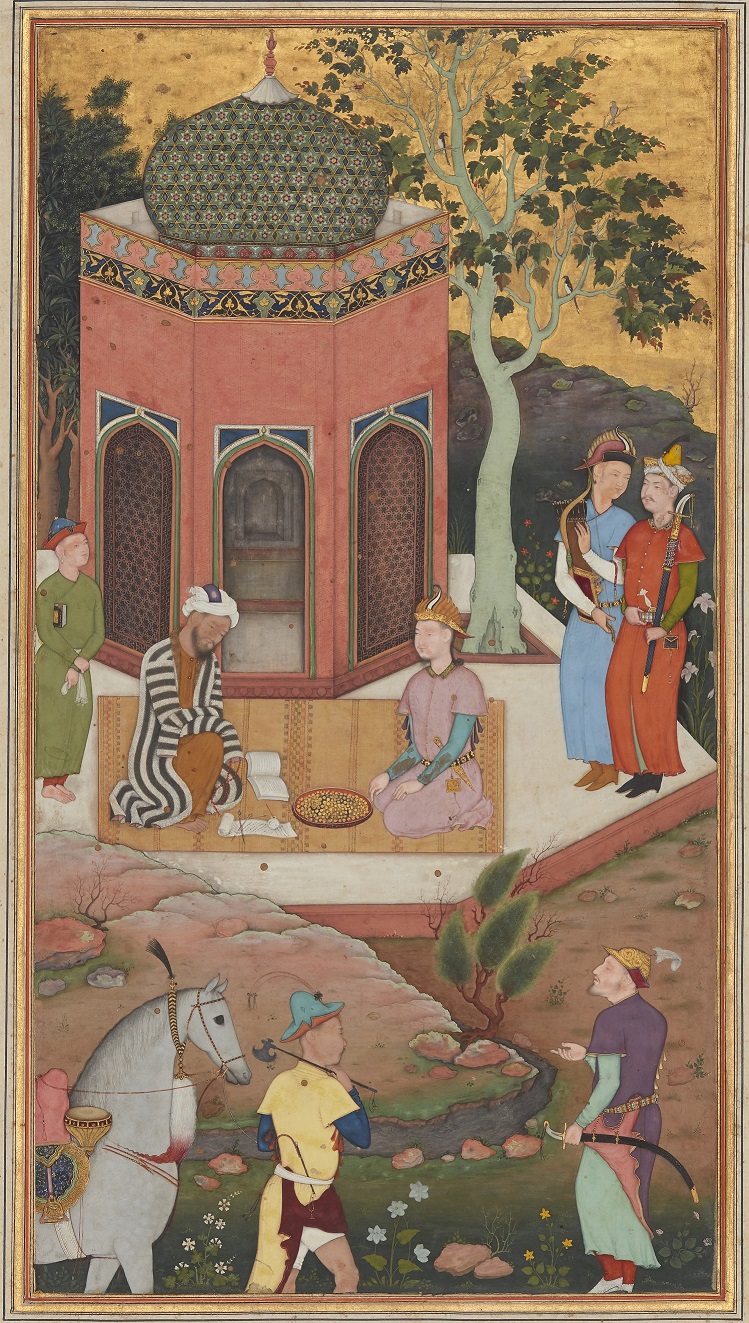
In museum collections with hundreds of objects, there are many treasures awaiting a curator’s detailed study. This lecture will introduce audiences to the process of curatorial investigation and publication, all through the example of a manuscript from the Aga Khan Museum that was made at the Mughal court in the early 17th century. With calligraphy by the famous scribe Abd al-Rahim al-Haravi (known as ‘Amber Pen’) and paintings by some of the top artists in the employ of emperor Jahangir, this manuscript appeared to offer rich material for study. Further research then uncovered many unusual features that added to its intrigue, providing a good example of how a manuscript is studied from dealing with centuries of changes to the physical object, to thinking about the text and its arrangement and the selection of subjects for painting.
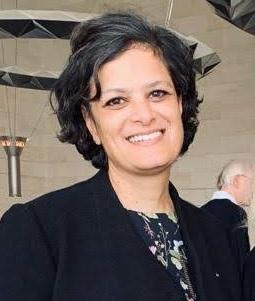
Marika Sardar is an independent scholar who has held curatorial positions at the Aga Khan Museum, Toronto, the Museum of Islamic Art, Doha, the San Diego Museum of Art, and the Metropolitan Museum of Art, New York. Among the exhibitions she has contributed to or led are Interwoven Globe (Metropolitan Museum, 2013), focusing on the worldwide textile trade from the 16th-18th century; Sultans of Deccan India, 1500-1700 (Metropolitan Museum, 2015), examining the artistic traditions of the Muslim sultanates of central India; and Epic Tales from Ancient India (San Diego Museum of Art, 2016), looking at narrative traditions and the illustration of texts from South Asia. Her most recent publications include articles on dress and identity in Deccani portraits and the evolution on natural history painting at the Mughal court, and a monograph on a Persian-language copy of the Ramayana made for the mother of the Mughal emperor Akbar.