
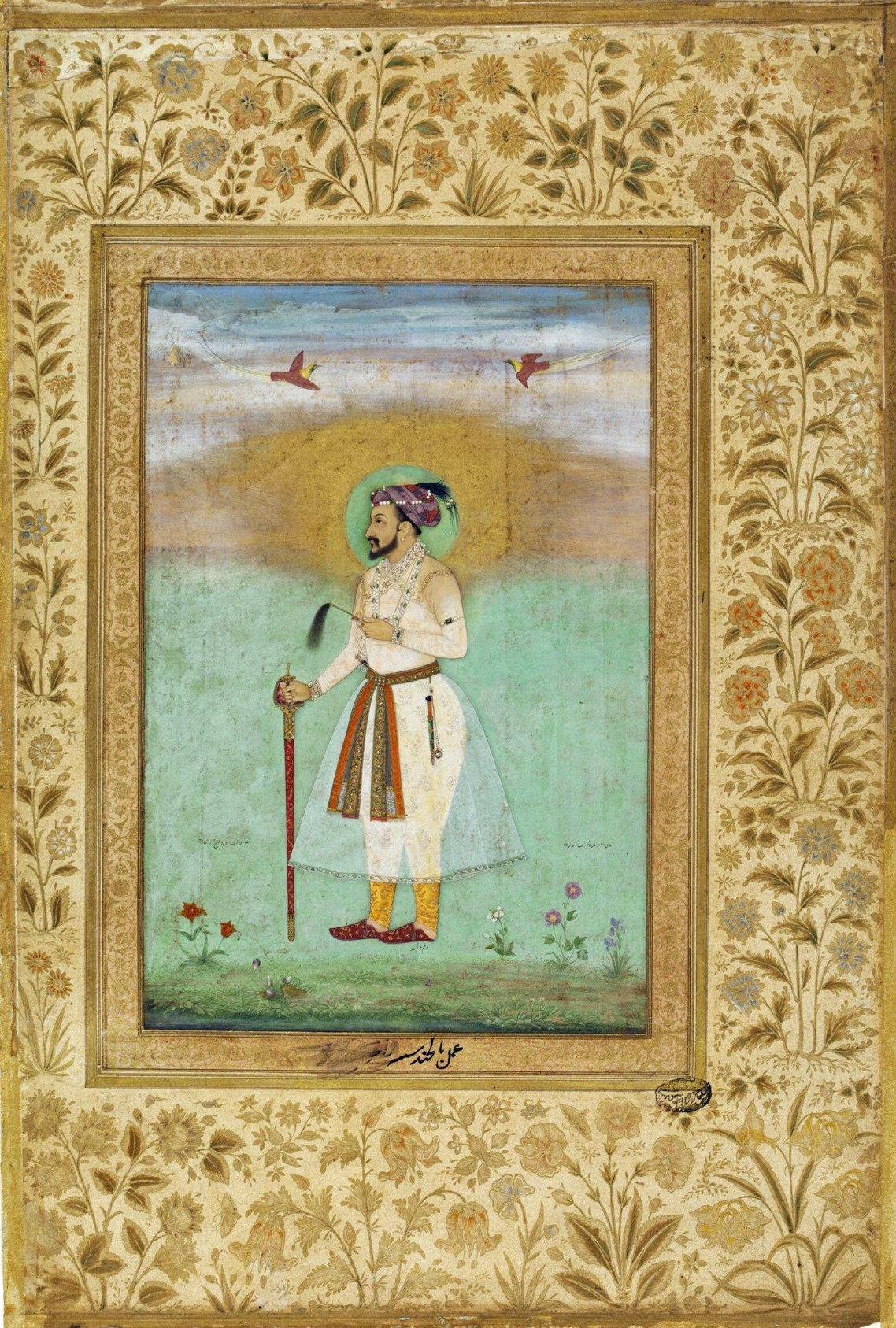
Shah Jehan, c. 1630. Balchand. Opaque watercolor and gold on paper. Victoria And Albert Museum, IM.112A-1921
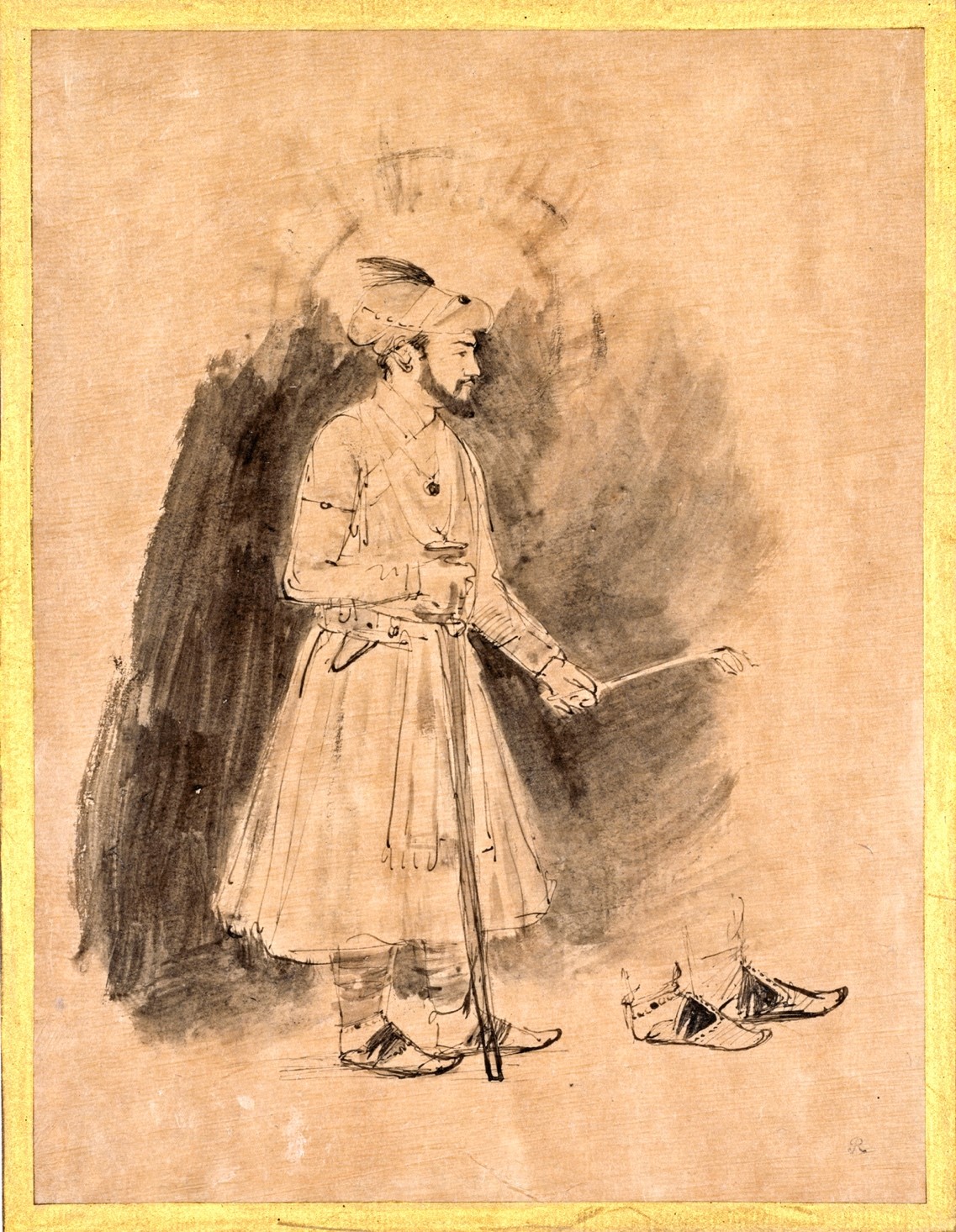
Shah Jahan, c. 1656–1661. Rembrandt van Rijn (Dutch, 1606–1669). Pen and brown ink and brush and brown wash. The Cleveland Museum of Art, Leonard C. Hanna, Jr. Fund 1978.38
During the 1650s, the Dutch artist Rembrandt van Rijn (1606–69) executed a small number of drawings in ink inspired by Indian paintings on paper. Just how he encountered these materials remains a scholarly debate; what is readily evident is that the Indian paintings which Rembrandt studied had been originally produced on the Indian subcontinent for inclusion in albums. Elites from both the Mughal and Deccani courts patronized the production of albums, known muraqqa (meaning “patched” in Arabic), which are codex assemblages containing choice paintings, drawings, calligraphies, and, on occasion, European prints. This talk will consider how and why albums were patronized and, ultimately, circulated to Europe a short time after their completion. It will also examine the various ways that Mughal artists had responded to European art many decades before Rembrandt produced his own cross-cultural studies. This presentation will draw upon key findings from the recent 2018 Getty exhibition “Rembrandt and the Inspiration of India” and accompanying catalogue, to which the speaker was a contributor.
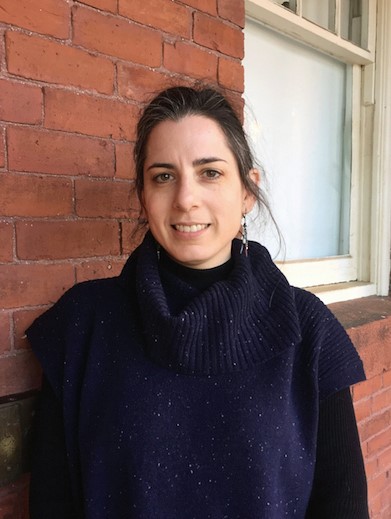
Dr. Yael Rice is the Associate Professor of the History of Art and Asian Languages & Civilizations, Amherst College
Registration in advance is required for this event. Please register here
PRICE
FREE for SAAC & SDMA members. $10 for others